October 6, 2025

Environnement

Site Background

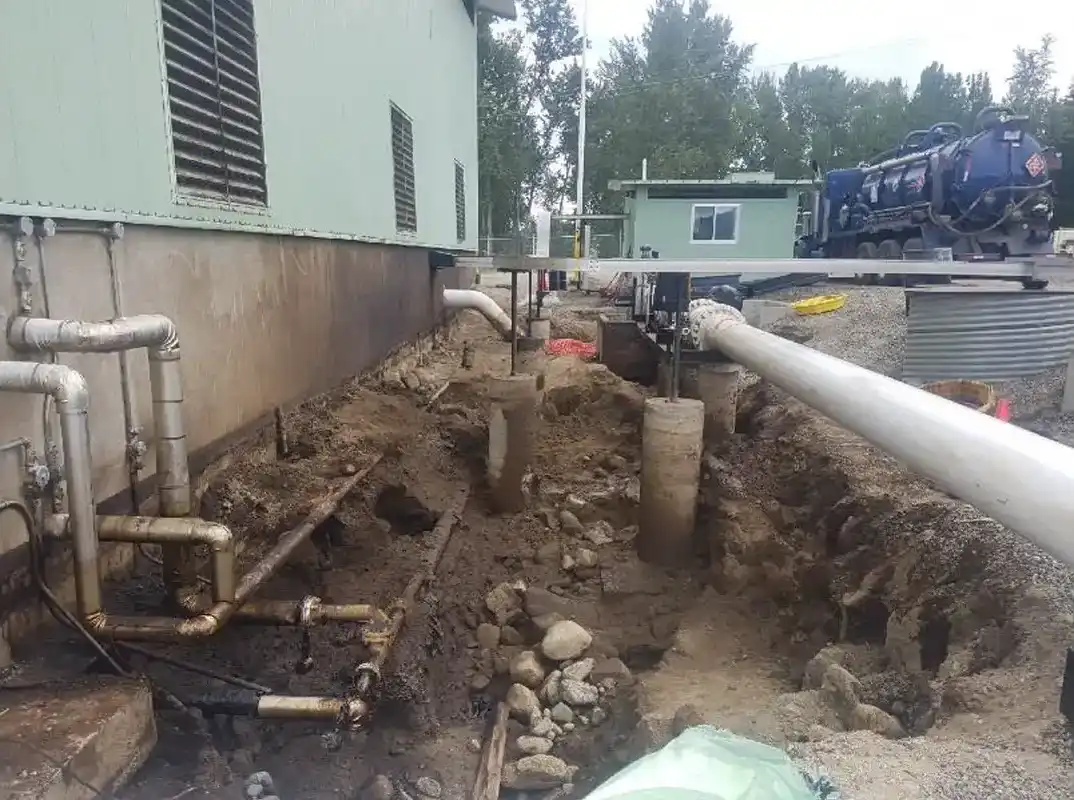
Following a crude oil pipeline release at a pumping station in Northern British Columbia (Figure 1), Chemco was approched to provide a techno-economical evaluation and tentative supply of in situ remedial amendment including aerobic and anaerobic enhanced biodegradation It was reported that 4,000 liters of crude oil was spilled. Based on the size of the release area and the volume spilled, the starting concentrations were reported at an average of 23,800 mg/kg with maximum concentrations up to 53,200 mg/kg (Figure 2). Enhanced Bioremediation using both bioaugmentation and biostimulation was selected as the treatment method since in situ chemical oxidation could have cause issues on some the sensitive underground infrastructures present. The bioremediation process aims at accelerating the timeframe it would normally take for naturally occurring organisms to acclimatize and proliferate in the release area. At the time, all parties were notified that the exact timeframe and effectiveness was uncertain due to location, climate, season, etc., but the option was selected because of the relatively low cost and limited other options appliable. The petroleum hydrocarbon impacts covered a surface area of 24 m2 and extended 2 meters below surface (of the removed soil area) for a total volume 48 m3. Groundwater was approximately 3 meters below grade (mbg) and the soil consisted of fine to coarse sand. Due to the limited access, the option required that the amendments be applied to the surface and infiltrate into the soil.

Figure 1 – Release location and residual staining following initial hydrovac response efforts.


II. Design

Based on the mass of contaminant, a nutrient addition to achieve an approximate C:N:P balance of 100:10:1 was calculated, and approximately 284 kg of nitrogen and 28 kg of phosphorus were deemed required. To achieve the nitrogen dose requirements, 3,053 kg of Chemco Oxydor 60 was applied. Oxydor 60 is a liquid nitrate fertilizer consisting of 60% active ingredient. The phosphorus Figure 1 – Release location and residual staining following initial hydrovac response efforts. requirement was met using 1,670 kg of the Chemco MKP 7.5 % + AMP (phosphate mix). For the bio stimulation component, 30 kg of Chemco’s BCP 35s microbe amendment was recommended and applied. The nutrients and BCP 35s were diluted in non-chlorinated water and mixed prior to injection. Potential challenges for this site included the possible toxicity associated with the higher petroleum hydrocarbon concentrations, as well as moisture, pH, and temperature conditions at the site. It was also noted that a constraint to biodegradation could be low solubility of the heavier molecular weight hydrocarbons. A surfactant was considered to augment solubility and thus bioavailability, however the concern of mobilization and migration of the contaminants into the water table resulted in this option not being selected.

Chemco_EtudeCas3-1

III. Results

The addition of the bioremediation products occurred in August of 2018. Chemco was informed that the client conducted several soil sampling programs and in May of 2019 (9 months after application), reported that the site met the applicable remediation standards in BC Contaminated Site Regulations (CSR). BC CSR industrial land use standards of 2,000 mg/kg LEPH and 5,000 mg/kg HEPH, were applied.

The success of this project and timeline observed may have been largely related to the location of the release. In many situations, the ground temperature would likely have been too cold for effective remediation during the winter, however, it is assumed that the proximity to the heated structure as well as warmer fluid carrying pipes in the treatment area likely created an optimal temperature condition to promote extended bioremediation.

The key findings and results from this program included:

  • Low-cost remedial in situ remedial option without requiring costly excavation and off-site disposal from a remote site.
  • Non-corrosive amendment used around sensitive equipment and infrastructures.
  • Minimal number of mobilization events needed to apply selected amendments.
  • Material availability to meet project scope and tight timeline.
  • Treatment option for both vadose and saturated zone.
Privacy Overview

This website uses cookies so that we can provide you with the best user experience possible. Cookie information is stored in your browser and performs functions such as recognising you when you return to our website and helping our team to understand which sections of the website you find most interesting and useful. More information on our Policies

Strictly Necessary Cookies

Cette option doit être activée à tout moment afin que nous puissions enregistrer vos préférences pour les réglages de cookie.

Show details Hide details
Analytics

This website uses Google Analytics to collect anonymous information such as the number of visitors to the site, and the most popular pages.

Keeping this cookie enabled helps us to improve our website.