
Environment
Whether the challenge involves air, water, or soil, Chemco Inc. can help you achieve your objectives.
Environnement
Chemco Inc. delivers advanced chemical solutions specifically developed to meet the evolving needs of the environmental sector. Our innovative products are designed for soil and groundwater remediation as well as for treating air emissions and odors—providing effective, compliant solutions that ensure optimal contaminant control.
ENVIRONMENTAL IMPACTS
At Chemco Inc., environmental stewardship is central to our mission. We are committed to delivering sustainable, reliable solutions to address today’s most pressing environmental challenges. Whether improving water quality, treating wastewater, or protecting air and soil, our comprehensive portfolio of products and services is designed to support private clients, municipalities, government agencies, and industry.
Satisfied
clients
Over 300
projects delivered
Team
members
Client
satisfaction
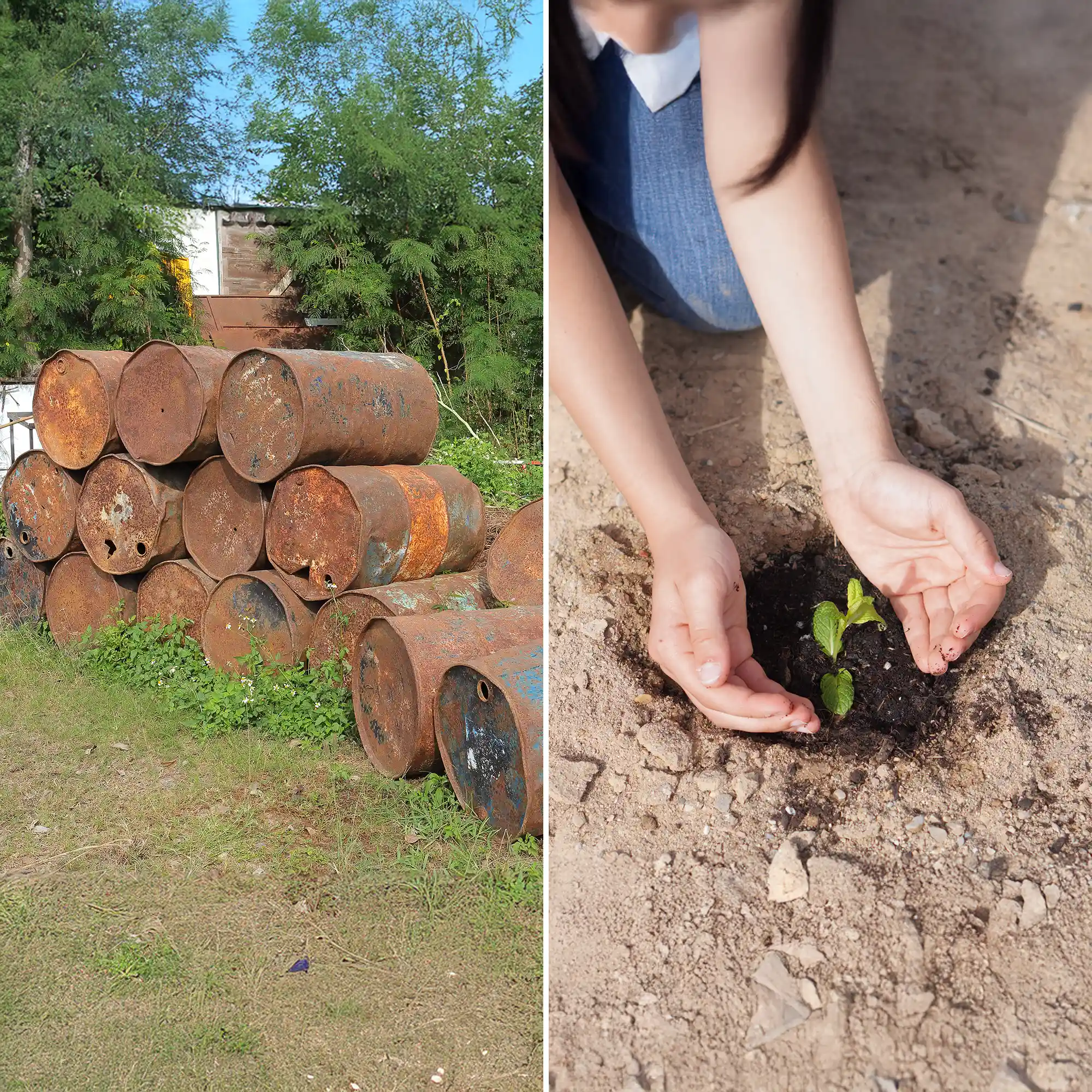
Soils & Groundwater
Government priorities around sustainable development and the revitalization of former industrial sites for residential and commercial projects have pushed site owners, developers, and specialized environmental consultants to innovate in the decontamination techniques used—remediating sites to levels protective of public health within optimal timelines.
As a leader in this field, Chemco Inc. has the resources and dedicated technical expertise to offer clients a unique combination of products, know-how, and services tailored to in situ and ex situ soil and groundwater remediation. Whether through chemical oxidation or reduction, soil washing with complex co-solvent/surfactant systems, sorption or stabilization, enhanced bioremediation, or permeable reactive barriers, Chemco Inc. can help determine the solution that best fits your needs.
While continuing to expand our technology offering, we remain deeply involved in client education and consulting. Chemco Inc.’s expertise includes developing remediation strategies through techno-economic analyses, bench-scale laboratory testing, the design and supply of storage equipment, project supply logistics, assistance with certificates of authorization, and field scale-up using tracer testing.
We have partnered with industry leaders to become the largest supplier of in situ and ex situ remediation technologies in Canada.
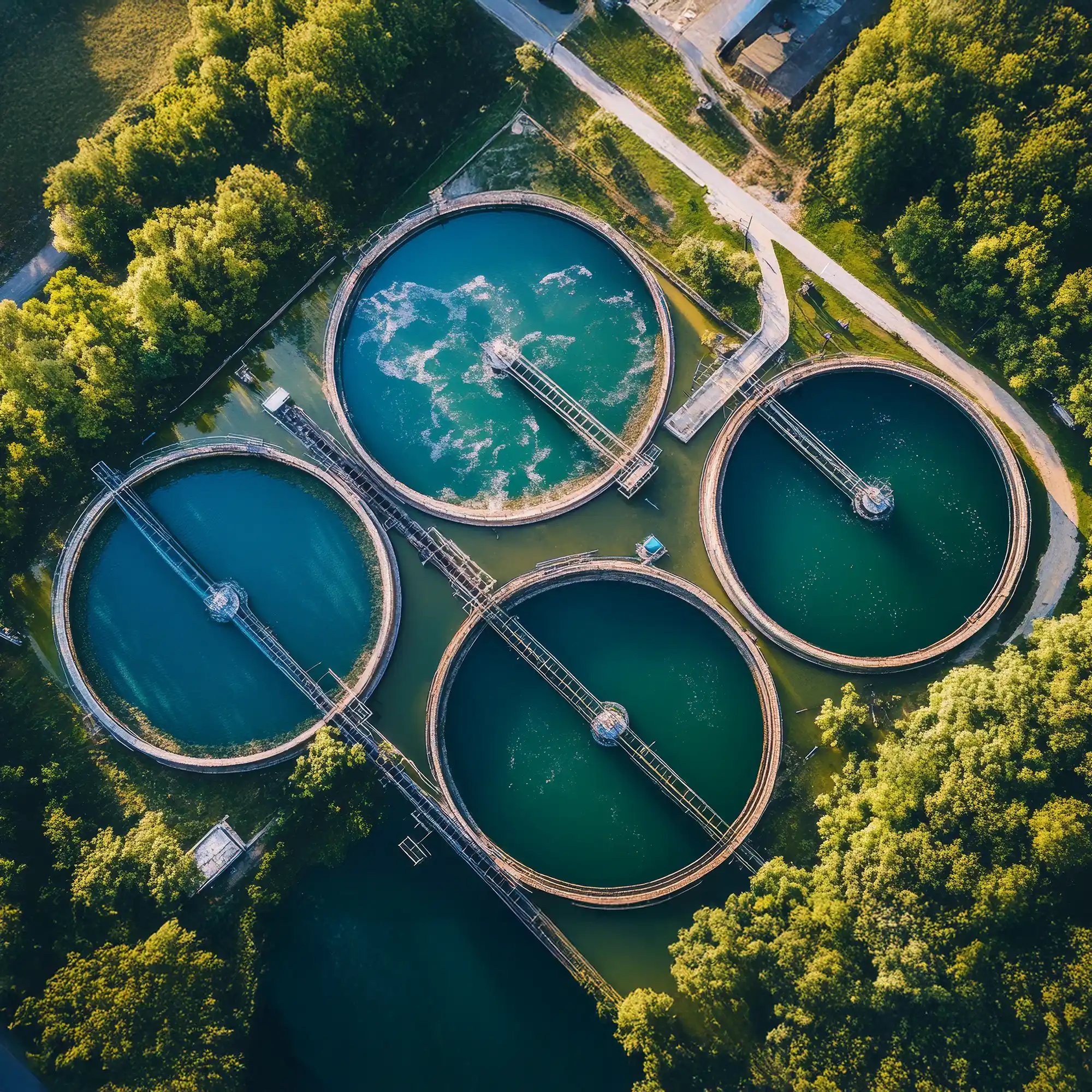
Water & Sludge
Municipal — Drinking Water & Wastewater
Chemco provides solutions tailored to each application’s specific requirements, including:
- Phosphorus removal
- Odor control
- Clarification (removal of suspended solids and color)
- Precipitation of undesirable metals
- Sludge dewatering
- Treatment of emerging contaminants (e.g., PFAS)
Industrial Sectors — Process Water
With more than 35 years of experience in drinking-water and wastewater treatment—and to meet client demand—Chemco Inc. has developed a complete range of products and services to optimize treatment programs for drinking water, wastewater, and process water.

Air, Emissions & Odors
Municipal and industrial wastewater can generate malodorous compounds that constitute a form of pollution in their own right. These odors are primarily associated with nitrogen-based compounds (notably ammonia and amines) and sulfur compounds (hydrogen sulfide, mercaptans). Organic compounds such as aldehydes, ketones, and hydrocarbons may also be present in industrial off-gases, typically at lower concentrations. Accordingly, nitrogen- and sulfur-based compounds are the main targets for which physicochemical and biological removal techniques are implemented.
Physicochemical techniques (adsorption, absorption, scrubbing, etc.) can deliver strong performance, but operating costs may be prohibitive due to high reagent consumption.
In this evolving space—where organizations face numerous challenges—Chemco Inc. works with select partners to provide proven, leading-edge technologies. Whether your emissions are gaseous or liquid, Chemco Inc. can help you achieve your objectives.
Our range of products
HYDROCARBONS
Sodium persulfate activated with alkaline agents
This option allows for chemical oxidation of the targeted contaminant by injection over a period of 4 to 12 weeks. It will leave the aquifer with some impact from the by-products of chemical oxidation amendments (sodium and sulfates) and could be implemented if the Na and SAR ratios are acceptable for this site. Sodium persulfate and sodium hydroxide can be replaced by their potassium equivalents if necessary. Oxidation of contaminants using persulfate generates minimal gas and heat, and also has the lowest natural oxidant demand (NOD) of the proposed amendments. Combined with prolonged persistence, this property makes it an ideal solution for soil and groundwater treatment. This mixture of oxidant and activator also has minimal reactivity with underground carbon steel or concrete infrastructure due to its alkaline pH. For subsurface application, it is a true aqueous solution: the oxidant and activator can be premixed on the surface before being injected or mixed on site. This option is suitable for both saturated and unsaturated contaminated areas.
Potassium Persulfate Activated with a Calcium-Based Product (Hydrated Lime)
This treatment allows for typical chemical oxidation of 1 to 3 years, as it is a low-solubility oxidizer and activator. Persulfate releases minimal gas and also has the lowest natural oxidant demand (NOD) of the proposed amendments. Combined with its greater persistence, this makes it an ideal solution for low-permeability soils and bedrock, as well as fast-flowing groundwater. This mixture of oxidant and activator also has minimal reactivity with underground carbon steel or concrete infrastructure. Both materials can be incorporated into the soil in solid form and mixed with the excavation. Solubilization of the compound by groundwater flow would allow the contaminant to be treated in the treatment zone and possibly downstream.
The addition of cement, which serves as an activator, can improve the geotechnical characteristics of the soil in a process called ISCO-ISS. The cement provides compressive strength and helps activate the persulfate while reducing the dosage of hydrated lime.
Adding cement, which serves as an activator, can improve the geotechnical properties of the soil in a process known as ISCO-ISS. The cement allows for compressive strength and will help activate the persulfate while reducing the hydrated lime dosages.
KLOZUR CR
The product is composed of 50% sodium persulfate and 50% Perm-Ox Ultra (calcium peroxide). The sodium persulfate component causes chemical oxidation of contaminants in the aqueous phase and in the soil—oxidation time 4–12 weeks. The Perm-Ox Ultra component lasts 9 to 18 months and promotes aerobic biodegradation. The product must be applied by direct injection or by mixing with the soil, as it is applied in the form of a solid suspension due to its calcium peroxide component. Chemical oxidation destroys or partially oxidizes the organic contaminant, which will facilitate its subsequent degradation by biological processes. The use of a calcium-based product with sodium persulfate will limit the amount of residual salt in the aquifer, as the two ions will bind together to form gypsum. Potassium persulfate may also be an option if the presence of sodium is a problem.
The long persistence and treatment potential make this product an excellent technology for fine geologies with contamination adsorbed on soils or for sites where groundwater continuously brings in new contaminants. This product is used when contamination is located in saturated conditions due to the presence of calcium peroxide in the formulation.
KLOZUR One
Klozur® One is a mixture of Klozur sodium persulfate (95% of the product’s mass) and carefully selected, fully soluble activating reagents (5% of the product’s mass) that can be injected in the form of aqueous solutions to treat highly contaminated source areas and plumes. Klozur One generates activated persulfate chemistry, reducing the handling and mixing of hazardous chemicals on site. This all-in-one product combines the oxidant and activator. The compounds in Klozur One are fully soluble, facilitating the distribution of this amendment into the target aquifer.
This, combined with the long persistence (4 to 12 weeks) of sodium persulfate, is ideal for treating groundwater and soil. The oxidant/activator mixture can be premixed on the surface before being injected as a complete aqueous liquid solution.
This option could be used if the contamination is in saturated or unsaturated conditions.
Hydrogen Peroxide Alone or Activated with VTX or Ferric Sulfate
This option establishes oxidative conditions targeting organic contaminants for 1 to 3 weeks per injection round. The residual oxygen released by the decomposition of hydrogen peroxide could promote the biological degradation of contaminants once the oxidation phase is complete. The by-products of hydrogen peroxide degradation are only water, oxygen, and carbon dioxide, which will not add saline ions to the aquifer. The need to use a catalyst will depend on the natural oxidant demand (NOD) of the soil and groundwater; if the NOD is high, we do not recommend using a catalyst. Diluted hydrogen peroxide injection can be supplemented with surfactants, catalysts, or retardants based on the geochemical conditions of the aquifer to be remediated.
Testing the reactivity of soils and groundwater, as well as the sequencing and dilution rates of other amendments, is strongly recommended before deploying this technology in the field. Hydrogen peroxide can be used if contamination is located in either saturated or unsaturated conditions.
Enhanced Bioremediation of the Source Zone with Nutrients and Bacterial Preparation
For this option, liquid nutrients will be injected into the saturated zone to establish an adequate C:N:P ratio relative to the organic contaminants present. Bioremediation processes can be carried out using aerobic or anaerobic pathways. The use of external bacterial strains will depend on the activity and nature of the indigenous competent organisms present that target the contaminants.
For bioaugmentation, we use bacterial strain concentrates manufactured and applied in Canada, complying with all known Canadian regulations. Some formulations contain micronutrients to aid in the growth and performance of the selected bacteria.
Terramend
Terramend® aerobic bioremediation reagent is an advanced treatment technology for soils contaminated with recalcitrant organic compounds.
Since its first application in 1991, variants of this technology have been successfully used to treat hundreds of thousands of tons of soil, sediment, and other solid matrices. Terramend has treated soils containing a variety of aliphatic and polycyclic aromatic hydrocarbons (PAHs), phthalates, and chlorophenols (including pentachlorophenol) at numerous sites around the world.
Terramend technology offers several advantages:
- It can often be applied without excavation
- Implementation generates no odor or leachate
- Typically applied at a rate of 1 to 5% (soil mass), it does not cause soil swelling
The incorporation of bacterial preparations with Terramend can, if necessary, promote the rapid and sustainable establishment of optimal biological conditions for the biodegradation of contaminants. These products, manufactured in Canada, comply with all known Canadian regulatory registrations.
CHEMCARB H: Activated Carbon Enriched with Nutrients and Bacterial Preparation
The purpose of mixing activated carbon and nutrients is to capture and destroy contamination leaving the contaminated area through coupled sorption and bioremediation processes.
CHEMCARB H is composed of powdered activated carbon (PAC) or colloidal activated carbon, offering a large specific surface area and high capacity for capturing dissolved contaminants.
The incorporation of a mixture of slow- and fast-release nutrients (based on phosphorus and nitrogen) with PAC or colloidal form allows the rapid and sustainable establishment of the appropriate biological conditions for sorption and destruction of contaminants through biodegradation processes.
The incorporation of a mixture of slow- and fast-release nutrients, based on phosphorus and nitrogen, with powdered activated carbon (PAC) or in colloidal form, allows for the rapid and sustainable establishment of biological conditions favorable to the sorption and destruction of contaminants through biodegradation.
The flexible dosing of nutrients with activated carbon (CHEMCARB H approach) allows for the targeting of a dosage that establishes the optimal carbon:nitrogen:phosphorus ratio in relation to the mass flow of contaminants passing through the amended zone.
For the bioaugmentation part, we use bacterial strain concentrates manufactured and applied in Canada that comply with all known Canadian approvals. Some formulations contain micronutrients to aid the growth and performance of the selected bacteria.
INTRASORP Colloidal Activated Carbon (CAC)
This is high-concentration colloidal activated carbon (CAC) (400 g/L), used to treat various pollutants, such as hydrocarbons and chlorinated compounds, present in sorbed or dissolved form.
This product can be combined with zero-valent iron, and/or nutrients, and/or selected strains of microorganisms to add a contaminant destruction pathway.
It can also be used with our patented mobility agent (IMCA), which allows the colloidal suspension to stabilize after a certain distance in the target area of the injection point. This prevents the colloidal activated carbon from reaching the monitoring wells located downstream hydraulically, which could affect the results of post-injection monitoring.
Direct leaching with a surfactant agent
The use of surfactant agents improves the availability of contaminants for recovery via pumping and treatment systems. The surfactant agent thus assists desorption processes and reduces the surface tension of injected solutions, enabling better distribution of amendments in fine geologies and reaching trapped interstitial contamination.
It is important to ensure good hydraulic control before injecting a surfactant agent into the aquifer, as improper control could mobilize contamination outside the target treatment zone.
S-ISCO
The use of a surfactant added during pre-injection, together with an oxidant/activator mixture, can improve the availability of contaminants for destruction in the aqueous phase.
The surfactant facilitates the desorption process and reduces the surface tension of the injection solution, allowing for better distribution of the amendments in fine geologies. The surfactants used are compatible with the selected oxidants and do not cause any loss of active ingredients while accelerating the destruction of poorly soluble contaminants adsorbed in the soil.
The surfactants used are ultimately biodegradable.
Slow-Release Oxygen Agent Based on Calcium Peroxide:
- PermeOX Ultra contains modified calcium peroxide (CaO2) with an oxygen content of around 16 to 18% w/w. Its release profile is estimated to be between 9 and 18 months, depending on the specific geological and hydrogeological conditions of the site. When solubilized, the product may increase the pH to values between 11 and 13. This could be detrimental to bacterial growth if the dilution effect of groundwater or the buffering capacity of the soil is not sufficient to lower the pH. It is possible to mix the product with zeolites or nutrients prior to injection in order to minimize the impact of high pH.
- Food-grade calcium peroxide (FG) contains only calcium peroxide (CaO₂), with an oxygen content of between 16% and 18% w/w. Its release profile is estimated to be between 9 and 18 months, depending on specific site conditions. The product contains no zeolites or nutrients. When dissolved, it can increase the pH of groundwater to values between 11 and 13.
Volatile Chlorinated Organic Compounds (VOCs).
100% Potassium Permanganate (Powdered Product)
Potassium permanganate provides an active chemical oxidation period of approximately 6 to 9 months. It can be mixed directly into unsaturated soils or injected at a concentration of 3 to 4%. This reagent is particularly effective at destroying chlorinated ethene by targeting the carbon-carbon double bond, thereby limiting the formation of toxic reaction by-products. The permanganate reaction can leave the aquifer with solid manganese dioxide (MnO2) residues. These can be sequestered (kept in solution) using a polyphosphate-based sequestrant co-injected with the permanganate.
40% Sodium Permanganate (Liquid Product)
Similar to potassium permanganate, sodium permanganate enables chemical oxidation lasting 6 to 9 months. Better reaction kinetics can be achieved with sodium permanganate, as it can be injected at high concentrations (generally around 10% to 20%). This reduces the total injection volume required to introduce the necessary mass of oxidant. It is very effective for chlorinated ethene, targeting the carbon-carbon double bond, which limits the formation of reaction by-products. However, it can also leave the aquifer with solid MnO2 residues. These can be sequestered (kept in solution) with the use of a polyphosphate-based sequestrant co-injected with the permanganate.
EHC-L®
The incorporation of the EHC-L formulation allows optimal conditions to be quickly and sustainably established in the subsurface to promote the destruction of contaminants through biotic and abiotic degradation pathways. EHC-L combines fermentable organic compounds and fully water-soluble iron, which can be injected into slotted wells or by direct injection. It is a liquid variant of EHC, designed as a fully soluble compound for the treatment of contaminated soil and groundwater. This material can provide reducing conditions for 2 to 3 years. The presence of iron in the formulation will limit the production of vinyl chloride and other chlorinated by-products associated with biotic degradation processes. EHC-L has been used successfully for the removal of chlorinated VOCs in fine geologies at numerous sites across Canada.
We recommend, if necessary, the use of the KB-1 DHC strain consortium to optimize biotic remediation pathways. These strains could be injected simultaneously with EHC-L, if legislation allows the use of external organisms recognized in Canada.
GEOFORM™ SOLUBLE - Fully soluble solid iron and long-lasting fermentable carbon substrate
GEOFORM formulations are biogeochemical reagents designed to provide the basic elements necessary to promote biogeochemical reactions in situ. They provide a source of sulfate, ferrous iron, electron donors, pH buffer, and nutrients to promote dehalogenation mechanisms through enhanced anaerobic bioremediation, abiotic degradation, and reactive mineral formation.
GEOFORM® is available in two formulations: a fully soluble formulation for easy injection and a solid formulation for sustained release.
GeoForm™ formulations can be used for the treatment of groundwater and saturated soils contaminated with persistent halogenated compounds (e.g., PCE, TCE, DCE, and VC). They also enable the immobilization of many heavy metals and can be applied via injection wells, infiltration networks (for the soluble version), or by direct injection.
Under appropriate geochemical and hydrogeological conditions, the GeoForm Soluble version can maintain reactive activity for a period of 3 to 7 years through the creation of a solid reactive mineral treatment zone.
Geoform can be combined with the addition of KB-1 if you are looking to optimize the biotic degradation pathways of chlorinated ethynes. KB-1® is a natural microbial consortium containing Dehalococcoides bacteria, capable of dehalogenating chlorinated ethynes.
GEOFORM™ Extended Release (ER)
GeoForm™ Extended Release (ER) is formulated with a sustainable source of hydrogen donors, zero-valent iron (ZVI), and sulfur compounds, enabling the continuous generation of reactive iron-based minerals. This formulation offers long-term treatment options for contaminants while maximizing the distribution of amendments in the environment. GeoForm™ ER rapidly establishes reducing conditions, promoting biotic and abiotic reduction mechanisms in an expanded zone, conducive to dehalogenation reactions and the destruction of targeted contaminants.
Under appropriate geochemical and hydrogeological conditions, its activity can be sustained for a period of 10 to 15 years.
Daramend Reagent
DARAMEND is composed of a controlled-release fermentable organic carbon substrate combined with macrometric zero-valent iron (ZVI). DARAMEND is used to treat groundwater and/or saturated soils contaminated with persistent halogenated compounds, including chlorinated solvents, pesticides, and organic explosives. DARAMEND creates highly reductive conditions, targeting contaminants through biotic and abiotic degradation mechanisms. The balance between the organic carbon substrate and ZVI allows the product to function at a pH close to neutrality. This type of amendment generally persists for 5 to 10 years, depending on the specific geological and hydrogeological conditions of the site. The reactivity of the ZVI will be maintained through the release of organic acids from the fermentation of organic carbon, thereby delaying geochemical passivation processes.
EHC
This product contains a mixture of micrometric zero-valent iron (ZVI) particles, solid fermentable organic carbon with controlled release, and nutrients to stimulate biotic and abiotic reaction mechanisms with the targeted contaminant.
This material is designed to generate reducing conditions for a period of 5 to 10 years, depending on the specific conditions of the site.
The micrometric nature of the EHC components allows it to be injected into target areas by direct thrust or fracturing. We could replace EHC with the less expensive DARAMEND if the method of applying the amendment is to mix it directly into the soil rather than inject it.
EHC Plus or Daramend Plus Reagent
EHC Plus / DARAMEND Plus formulations are a combination of controlled-release organic carbon (50% w/w), zero-valent iron (ZVI – 40% w/w) and low-particle-size activated carbon (10% w/w). They are used for the treatment of groundwater and saturated soils contaminated with persistent halogenated compounds, including chlorinated solvents.
The synergistic mixture of EHC Plus, composed of zero-valent iron and a solid organic carbon source, stimulates biotic and abiotic dechlorination mechanisms, while allowing some sorption of residual contamination. This is an essentially destructive technology, which complements the activated carbon sorption approach. We could replace EHC with the less expensive DARAMEND if the method of applying the amendment involves mixing the soil rather than injecting it directly. The material is designed to maintain reducing conditions for a period of 5 to 15 years.
The reactivity of ZVI will be prolonged due to the release of organic acids from the fermentation of organic carbon, thereby delaying geochemical passivation.
The small particle size of the activated carbon used in these mixtures provides a large surface area for capturing dissolved contaminants. Mixing ZVI with an additional fermentable carbon substrate results in a lower redox potential (ORP) than that generated by a mixture of activated carbon and ZVI, thereby improving treatment performance and coverage of the target area.
Zero-Valent Iron (ZVI)
Zero-valent iron can reduce certain organic or metallic contaminants in the liquid phase through chemical reduction and physical adsorption. The CLEANER and H2OMET media are made from high-quality virgin iron ores, which have a larger surface area and greater purity than recycled zero-valent irons, allowing for higher reactivity and persistence.
This type of amendment has a lifespan of 5 to 15 years, depending on the specific site conditions. The size of zero-valent iron media ranges from 5 microns to 2 mm, depending on whether it is applied to the target area by injection, direct mixing into the soils, or through trenching.
New advancements in iron atomization processes have led to the development of a high-surface-contact product that enhances the reactivity of the media to address new types of contaminants, such as:
- Selenium (VI & IV)
- Chromium (VI & III)
- Arsenic
- Heavy Metals
- Radionuclides (U, Sr, Th, Tc, etc.)
The sponge-like media has sufficient reactivity to degrade chlorinated ethenes (PCE, TCE, DCE, CV) via surface filtration units that can replace traditional sorption media, such as impregnated activated carbon.
Sponge-type zero-valent iron offers significant economic benefits when used in reactive barriers installed in trenches or through direct mixing into the soils. Their low density and high reactivity allow for substantial volumetric coverage, reducing the dosage while maintaining protection for sensitive receptors located downstream hydraulically.
Emulsified Vegetable Oils (EOS100, EOS PRO)
The EOS series comprises emulsified vegetable oils (EVO) that provide a sustainable source of carbon for improved in situ anaerobic bioremediation of chlorinated ethynes. These products are supplied in concentrated form, which simply needs to be mixed with water to instantly create an injectable solution.
EOS Emulsified Vegetable Oil (EVO) Products
EOS products based on emulsified vegetable oil (EVO) are enriched with nutrients to rapidly stimulate microbial activity. They also provide a long-term source of fermentable organic carbon to improve the biotic degradation processes of chlorinated solvents, nitrates, perchlorate, and energy products.
These products can also limit acid mine drainage and help destroy or stabilize other recalcitrant chemical compounds, such as certain metals and radionuclides present in soil and groundwater.
The negative surface charges on EVO droplets, combined with the small size of the droplets, promote efficient transport in the subsurface.
These EOS products have been successfully applied for several decades.
Fermentable Substrates: Molasses and Sodium or Potassium Lactate
Molasses and lactates are sources of soluble fermentable carbon that comprise a complex mixture of compounds. When injected as an aqueous solution, they move easily with groundwater and induce reductive dechlorination conditions in an aquifer.
Lactate is available as a 60% food-grade sodium or potassium lactate solution. Most other chemically more complex reagents, such as emulsified vegetable oils or lecithin, are ultimately fermented into lactate.
These compounds are recognized as nutrient sources that can support the bacteria involved in reductive dechlorination. When using them, attention must be paid to the acidification of the receiving environment during the fermentation process. The addition of a buffer to maintain the pH within the target range of 6.0 to 8.0 is strongly recommended as a co-injectant when applying these amendments in situ.
METALS
MetaFix Reagent Technology
MetaFix® reagents are custom-formulated mixtures composed of reducing agents, reactive minerals, adsorbents, activators, catalysts, and pH modifiers. These MetaFix formulations are an evolution of the EHC-M product, specifically designed for the stabilization of metals present in soil and groundwater.
MetaFix® treats sorbed or dissolved metals through long-term sequestration by means of reductive precipitation and adsorption on the surfaces of iron oxides, iron oxyhydroxides, and other iron corrosion products.
The recommended dosage rate can vary from 0.4% w/w (for injection application) to 8% w/w (for trench or soil mixing application) depending on the soil mass and remediation objectives.
The lifespan of MetaFix® reagent for maintaining reducing conditions favorable to the stabilization of target metals is estimated to be between 7 and 15 years, allowing it to be used as a medium in a reactive permeable barrier (RPB).
Reduction and stabilization conditions are generally established within 2 to 4 weeks after the amendment is introduced into the soil or groundwater.
PFAS
Intraplex B
Intraplex B is a modified activated carbon, available in granular form and as a colloidal suspension of 1 to 2 µm. It differs from traditional activated carbons in that it contains functional groups that increase its affinity for short- and long-chain PFAS compounds, even at low concentrations. Intraplex B in colloidal form is used to limit the migration of contamination plumes in groundwater. It is often coupled with its patented mobility agent (IMCA), which immobilizes the colloidal suspension after a set distance, preventing any carbon from leaving the target treatment area, which could affect post-injection monitoring results.
Permeable sorption barriers designed with this material can offer a lifespan of 10 to 50 years, if the dosage and distribution of the amendment are optimized.
The granular version can be used in surface filtration units, where it can replace other granular media that are less effective or have a shorter lifespan. The functional groups added to the structure of Intraplex B also reduce its affinity for other types of organic contaminants that may be present during discharge, thereby extending its useful life in treatment units.
Fluorolock
Fluorolock is a 1–2 μm colloidal suspension composed of a blend of coated clay and modified activated carbon (Intraplex B).
Fluorolock is particularly effective at immobilizing PFAS at relatively high concentrations in source zones of contamination within the unsaturated zone. It is applied in the soil, either within or in close proximity to PFAS contamination sources, thereby minimizing leaching caused by vertical or lateral infiltrating water movement.
Rembind
Rembind is a powdered adsorbent media that strongly binds to PFAS compounds present in soils, preventing their infiltration into groundwater. Its mode of action is similar to that of Fluorolock, but it must be applied by direct mixing into soils since its particle size does not allow for in situ injection.
This product neutralizes the long-term mobility of PFAS and has already been used to treat thousands of tons of PFAS-contaminated soils in North America, Europe, Australia, and New Zealand.
PerfluorAd
This technology relies on standard coagulation and flocculation processes, and uses special coagulants that do not require sophisticated technical equipment.
The precipitation of PFAS-type compounds takes place in a single treatment step, generating concentrated sludge that significantly reduces contaminant concentrations in the aqueous phase.
A polishing step of the supernatant, performed through filtration with specialized media (such as granular activated carbon: Intraplex B), can be added if necessary to achieve even higher removal rates of residual PFAS compounds.
ALTRA FF - Foam Fractionation
The ALTRA FF technology is based on a separation and concentration process that uses micron-sized gas bubbles to extract contaminants, such as PFAS, from the aqueous phase. In ALTRA FF, PFAS are concentrated through foam fractionation, while the residual water undergoes a polishing step with specialized media, such as granular activated carbon (Intraplex B).
In the ALTRA process, PFAS are reduced via fractionation of the concentrated foam, and the remaining water is treated with a polishing step using specialized media such as granular activated carbon (Intraplex B).
The ALTRA FF process operates continuously and does not generate off-gas.
This treatment solution is among the most commercially viable options. It enables the treatment of PFAS-contaminated waters — whether groundwater, industrial wastewater, or landfill leachate — while ensuring efficient treatment of high flow rates directly at the surface.
Problem–Solution Reference Table
As a technology provider, Chemco Inc. offers niche solutions across its product lines to address your operational challenges.
The matrix below maps selected solutions to the corresponding issues or target contaminants.
Drinking Water & Wastewater Treatment • Sludge Dewatering
Treatments
- Antifoams (water-based or silicone-based)
- pH control agents
- Acids
- Lime
- Sodium hydroxide
- SO₂ / H₂S and odor control
- Bioaugmentation — selective bacterial formulations
- Activated carbon (liquid phase) — coconut-, coal-, and wood-based grades
Coagulants & Flocculants
- Polyaluminum chloride (PAC)
- Ferric chloride
- Polyamines
- PolyDADMAC
- Aluminum sulfate
- Ferric sulfate
Oil & Solids Handling
- Oil demulsifiers
- Sludge dewatering
- Polymers (dry, dispersion, or emulsion; cationic, anionic, nonionic)
Heat-Transfer Fluids / Antifreeze
- Ethylene glycol — uninhibited & inhibited
- Propylene glycol — uninhibited & inhibited
- Brines
Adsorptive & Reactive Media
- Zero-valent iron (ZVI)
- Filtration media
- Organophilic clays
- Zeolites and resins
Nutrients
- Carbon, nitrogen, and phosphorus sources
Oxidants & Disinfectants
- Peracetic acid (PAA)
- Non-oxidizing biocides
- Permanganates
- Hydrogen peroxide
Dechlorination & Reducing Agents
- Sodium bisulfite (solution)
- Calcium polysulfide
- Sodium metabisulfite
- Calcium and sodium thiosulfate
Phosphorus Control
- Phosphate removal products (phosphate precipitants)
Metals Control
- Metal-precipitation technologies
Air, Atmospheric Emissions & Odor Control
Treatment
- Acids and bases
- Activated carbon — virgin and impregnated (GAC/PAC)
- Filter and scrubber media
- Ferric chloride; iron powder; ferric sulfate
- Nutrients
- Micronutrients
- Carbon, nitrogen, and phosphorus sources
- Oxidants
- Potassium permanganate
- Sodium permanganate
- Hydrogen peroxide
- Biofilter bacterial strains
- Essential-oil solutions (odor control)
- Specialty zeolites and resins
Corrosion, Scaling & Fouling
Corrosion • Deposition (Scaling/Fouling)
Problems
- Uniform corrosion — homogeneous material loss across the entire exposed surface.
- Galvanic corrosion — occurs when dissimilar metals with different electrochemical potentials are in contact.
- Pitting corrosion — localized perforations/“pits” that can lead to through-wall failure.
- Intergranular corrosion — attack along grain boundaries, embrittling the alloy.
- Stress corrosion cracking (SCC) — cracking driven by a corrosive environment under tensile stress.
- Erosion–corrosion — accelerated metal loss due to high-velocity fluids/solids impingement.
- Cavitation erosion — vapor-bubble implosion damages the surface.
- Microbiologically influenced corrosion (MIC) — corrosion driven or accelerated by microbial activity.
Services Offered (applicable to each)
- System evaluations — corrosion & deposition coupons; stability and compatibility testing.
- Crystallographic analysis of solid deposits — XRD and related methods.
- Quality-control testing — freezing point; glycol concentration; pH; microbial activity; metals analysis (e.g., ICP-OES/ICP-MS); organics by HPLC and GC/MS; turbidity; total hardness; conductivity.
Corrosion • Deposition (Scaling/Fouling)
Problems
- Mineral scaling — accumulation of salts (e.g., calcium carbonate, calcium sulfate, silica) that reduces equipment efficiency.
- Biological fouling (biofouling) — growth of algae, fungi, and bacteria that obstructs wetted surfaces.
- Corrosion-product deposition — buildup of metallic oxides/hydroxides from corrosion, lowering system performance.
- Organic fouling — deposits of oils, greases, polymers on industrial surfaces.
- Sediment accumulation — settling of solids (sand, silt, sludge) in piping and equipment.
- Sludge and scale formation — mixtures of particulates and mineral scale causing blockages and loss of thermal efficiency.
- Hydrocarbon fouling — tar/asphaltene and paraffin (wax) deposits in oil & gas lines.
Services Offered (applicable to each)
- System evaluations — corrosion coupons; stability and materials-compatibility assessments.
- Crystallographic analysis of solid deposits — X-ray diffraction (XRD) and related methods.
- Quality-control testing — freezing point; glycol concentration; pH; microbiological activity; metals analysis (ICP-OES/ICP-MS); organics (HPLC/GC-MS); turbidity; total hardness; conductivity.
Chemco Inc. has your solution!
We design, manufacture, and supply high-quality solutions and products dedicated to environmental protection and sustainable development.
Chemco Inc. has the right solution for your challenges.
Contact us for a solution tailored to your needs.